Use-case scenarios
Every new location is an investment and a risk. Rent, renovation, equipment, and team costs start before the first sale. Yet the decision is often made based on intuition, recommendations, or a general impression of the area. Below are typical situations where business owners want to validate their decision before taking the next step.
Validating a new location before signing the lease
There is a unit that looks promising. But a multi-year lease and major investment raise a key question: can this site handle real demand and competition?
Key questions
- How many competitors are already operating in the radius?
- Do catchment zones overlap with other locations?
- Is demand sufficient for one more player?
- Does the surrounding area support the selected format?
How analysis helps
- Shows competitor density within a specific radius
- Reveals overlap of influence zones
- Identifies overloaded and open segments
- Provides a basis for decision before investment
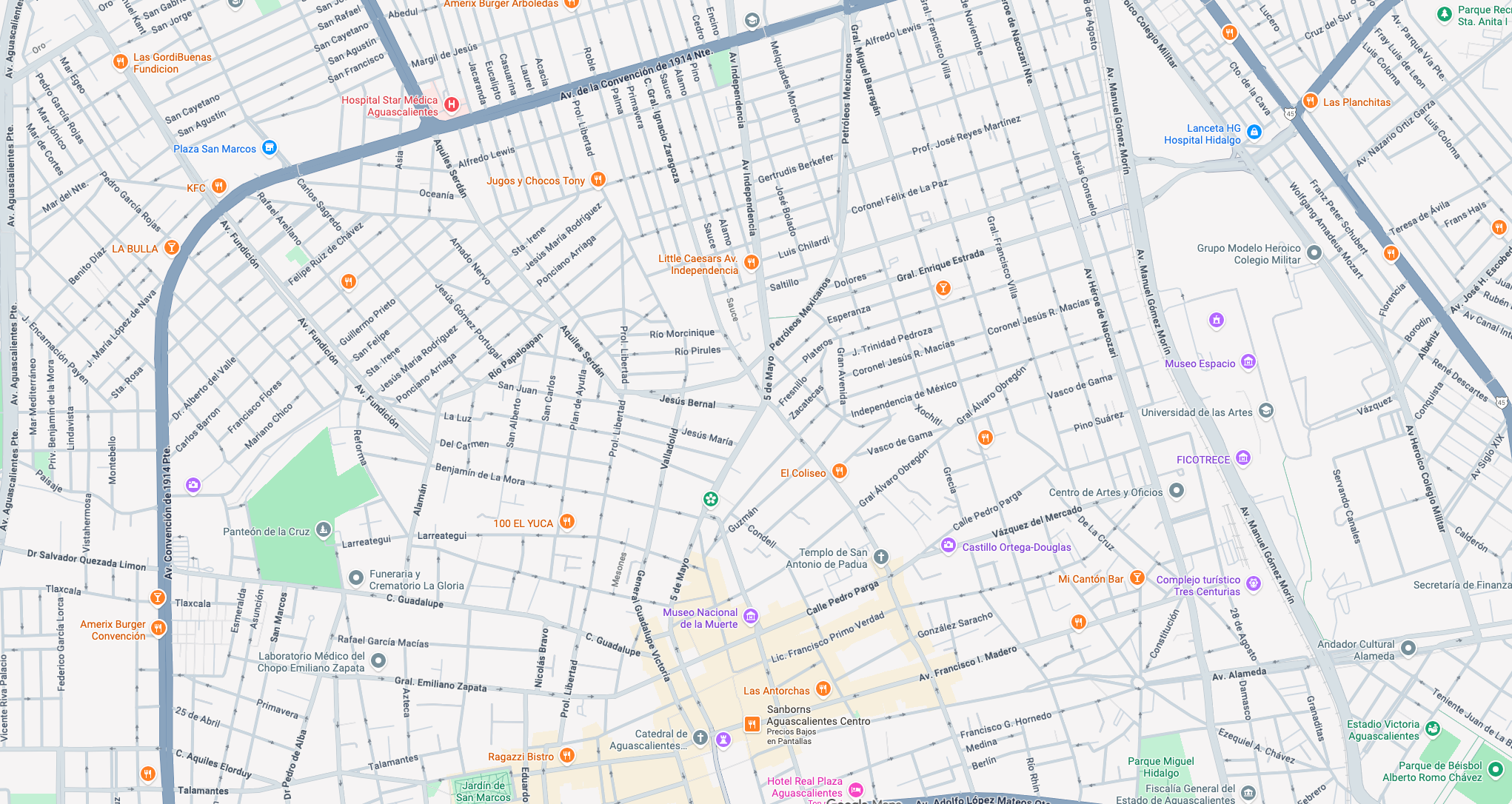
Within a 500 m radius, 6 businesses of a similar format are already operating.
Decision
The location is in a high-competition zone. It is recommended to review alternatives before signing the lease.
The decision was made before major investment and long-term commitments.
Choosing between two similar locations
There are two options and both look equally attractive. The goal is to identify which one provides a more stable start with lower risk.
Key questions
- Where is direct competition lower?
- Are there overlaps with existing locations?
- Where is target audience concentration higher?
- How is traffic distributed within the radius?
How analysis helps
- Compares competitors for each option
- Shows zone overlaps
- Visualizes business density
- Helps select the more resilient location
Point A has 5 competitors in radius. Point B has 2 competitors.
Decision
The location with lower competition and more balanced demand distribution was selected.
Start-up risk was reduced and launch predictability improved.
Scaling a network without internal competition
The network is already operating in the city and planning expansion. Growth must not reduce turnover at existing locations.
Key questions
- Do current location zones overlap?
- Is there a cannibalization risk?
- Which districts are already oversaturated with competitors?
- Where is safe growth potential available?
How analysis helps
- Builds coverage zones of existing locations
- Shows overlap and intersection
- Highlights open districts
- Helps define priority development zones
Two districts are already overlapped. One remains open for expansion.
Decision
Expansion is recommended in the zone with minimal overlap and low competition.
Growth without reducing turnover at active locations.
Independent validation of a franchisor-approved location
The franchisor approved the location, but the entrepreneur wants to verify that the choice is truly effective for their specific business.
Key questions
- Is the zone oversaturated?
- Are there strong players nearby?
- Does the surrounding area match the selected format?
- Is there a risk of entering a high-competition environment?
How analysis helps
- Evaluates competitor density
- Shows influence zones
- Reveals hidden location constraints
- Provides an independent view of the situation
The zone is in an area with a high concentration of similar formats.
Decision
It is recommended to review the location before signing the agreement.
The decision was made based on independent evaluation, not only franchisor guidance.
Investment in commercial real estate
An investor is considering acquiring a property to lease to a business or franchise. It is important to assess demand stability and local competition.
Key questions
- How active is business in this district?
- Is there a concentration of formats that can generate traffic?
- Will the property remain in demand over the long term?
- Is there a risk of an overheated market?
How analysis helps
- Shows business and competitor density
- Identifies attraction zones
- Assesses location stability
- Provides arguments for negotiation and risk assessment
The district shows stable business activity and balanced format density.
Decision
The asset is in a zone with potential for stable demand.
The investment decision was made based on a real market picture.
Scenarios may differ, but they share one thing: the need to make a decision that affects money and the future development of the business. Radexis helps make that risk more manageable.
If you recognized your situation, you can start by describing the task.